

The Most Famous and Influential Turkish Singers
Turkish music spans classical Ottoman traditions, arabesk, Anatolian rock, and global pop. Below is a curated overview of the most influential Turkish singers — why they matter, and how they shaped Türkiye’s cultural landscape at home and abroad.
The Most Famous and Influential Turkish Singers
(Classic Legends & Modern Pop Icons)
Turkish music spans classical Ottoman traditions, arabesk, Anatolian rock, and global pop. Below is a curated overview of the most influential Turkish singers — why they matter, and how they shaped Türkiye’s cultural landscape at home and abroad.
🎼 All-Time Icons




İbrahim Tatlıses
A defining voice of arabesk and Turkish folk-pop. Known for his powerful vocal style and emotional ballads, Tatlıses became one of the most recognized Turkish singers internationally, particularly in the Middle East and Europe.
Why he matters: He brought arabesk music into mainstream mass popularity and became a cross-border cultural figure.
Sezen Aksu
Often called the “Queen of Turkish Pop,” she has sold over 40 million albums and shaped modern Turkish pop songwriting.
Why she matters: Beyond her own hits, she mentored and supported major artists like Tarkan and Sertab Erener, influencing multiple generations.
Barış Manço
A pioneer of Anatolian rock who blended Turkish folk elements with progressive rock.
Why he matters: He became a cultural ambassador of Turkish music, particularly recognized in Belgium and France.
Ajda Pekkan
Nicknamed “Süperstar,” she maintained hit records for decades.
Why she matters: She defined glamour and Western-style pop aesthetics in Türkiye from the 1970s onward.
Bülent Ersoy
One of the strongest voices in Turkish classical and fantasy music.
Why she matters: Beyond music, she became a symbol of visibility as a trans artist in mainstream Turkish media.
🌍 Modern Pop Stars (International Recognition)


Tarkan
Achieved global fame with “Şımarık” (“Kiss Kiss”), selling over 15 million albums worldwide.
Why he matters: The most internationally recognized Turkish pop star, especially in Europe, Russia and the Middle East.
Sertab Erener
Winner of Eurovision 2003 with “Everyway That I Can.”
Why she matters: She brought Türkiye its first Eurovision victory, significantly boosting international pop credibility.
Hadise
Represented Türkiye at Eurovision 2009 and built a strong fan base across Europe.
Why she matters: Bridges Turkish and European pop culture.
Kenan Doğulu
One of the defining male pop voices of the 1990s and 2000s.
Why he matters: Helped shape the golden era of modern Turkish pop.
Demet Akalın
A dominant figure in 2000s mainstream pop and tabloid culture.
Why she matters: Highly visible in media and award circuits, representing commercial pop’s evolution.
🎶 Arabesk, Folk & Cross-Genre Legends


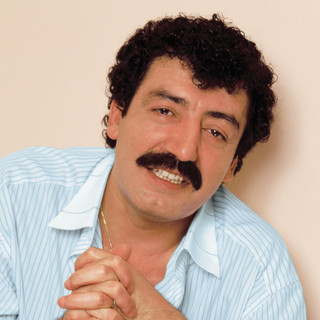
Müslüm Gürses
A cult icon of arabesk music with an intensely loyal fan base.
Why he matters: His legacy remains strong even after his passing, inspiring films and renewed interest.
Zeki Müren
An icon of Turkish classical music and stage performance.
Why he matters: Elevated stage aesthetics and became a timeless cultural legend.
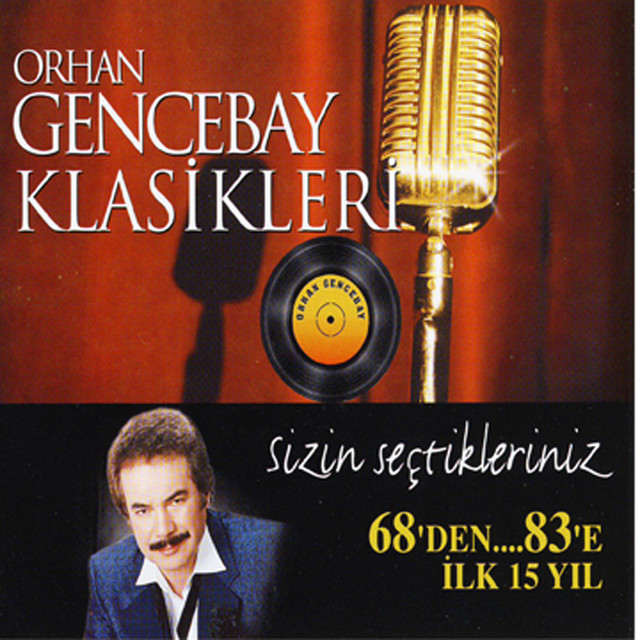
Orhan Gencebay
One of the founding figures of arabesk and Anatolian pop.
Why he matters: Revolutionized arrangements and composition in Turkish popular music.
Mahsun Kırmızıgül
A best-selling arabesk/fantasy artist of the 1990s and 2000s.
Why he matters: Also expanded into film directing and production, bridging music and cinema.
🎧 Starter Listening Guide
If you’re new to Turkish music, these tracks are a great entry point:
- Tarkan – “Şımarık,” “Kuzu Kuzu”
- Sezen Aksu – “Gülümse,” “Tükeneceğiz”
- Sertab Erener – “Everyway That I Can”
- Ajda Pekkan – “Yan,” “Vitrin”
- Barış Manço – “Gülpembe,” “Dönence”
- İbrahim Tatlıses – “Mavi Mavi,” “Haydi Söyle”
Why Turkish Music Matters Globally
Turkish singers often combine:
- Eastern melodic structures
- Western pop production
- Deep lyrical storytelling
- Emotional vocal performance
This hybrid identity makes Turkish music uniquely adaptable across markets — from GCC audiences who resonate with arabesk tones, to European listeners drawn to polished pop production.


